
2026–2027 Winter Heating Readiness Guide for Businesses
A practical 2026–2027 pre-winter checklist for businesses covering heating systems, energy infrastructure, placement, maintenance and capacity planning.
Guide overview
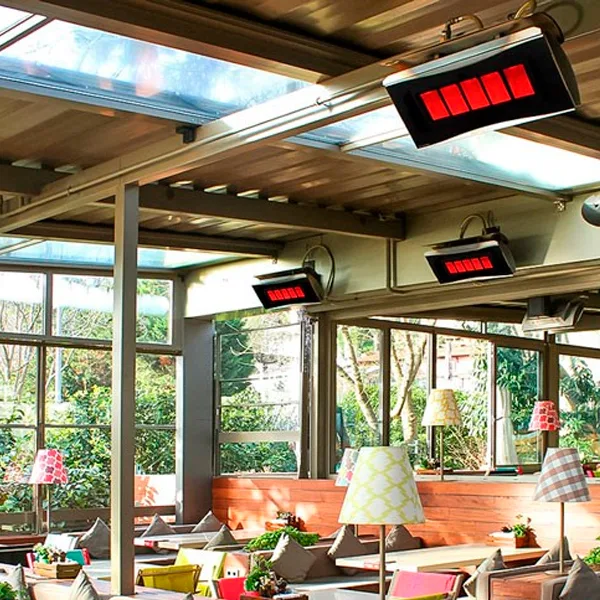
The most useful pre-winter step is not to start by searching for a more powerful heater. First validate how the space is used, whether the energy infrastructure is suitable, how existing equipment is performing and where the main heat-loss or exposure points are. This guide provides a practical sequence for cafés, restaurants, terraces, factories, warehouses and other commercial spaces.
1. Recheck how the space is actually used
Identify which zones are occupied and when heating demand increases. Seating may have changed, a production line may have moved, or an outdoor section may now be partially enclosed. These changes affect heater placement before they affect device count.
2. Validate electric or natural-gas infrastructure first
For electric infrared systems, confirm supply capacity, panels and control points. For natural-gas systems, validate the gas line, safe connection conditions and the application environment. Trying to compensate for unsuitable infrastructure through equipment choice can increase both cost and implementation risk.
3. Measure wind exposure in outdoor areas
Terraces, gardens and hospitality outdoor spaces cannot be planned from square metres alone. Wind direction, awnings/pergolas, open sides, seating layout and user distance all influence the heating plan. In open-area heating, placement can be as important as nominal capacity.
4. In factories and warehouses, map occupied zones
High ceilings, door openings, shifts and production zones can create very different heating needs inside the same building. For factory heating, tube radiant, electric radiant or hot-air systems should be compared against the real operating pattern rather than selected by building volume alone.
5. Complete pre-season maintenance checks
Connections, mounting points, reflector/surface cleanliness, controls and service access should be reviewed before the season. Maintenance is not only about avoiding breakdowns; it also confirms that equipment is still positioned and operated as intended. See the heating maintenance guide for a focused checklist.
6. Compare electric and natural-gas options by use case
Electric heaters can be a strong fit where fast activation and zoned control are important. Natural gas heaters can be evaluated for large-volume or heavily used spaces when project conditions support them. The useful question is not simply “which is better?” but “which is more appropriate for this space, infrastructure and operating pattern?”
7. Do not reduce capacity planning to a label
Area dimensions, ceiling height, exposure, insulation, occupancy and operating duration all affect capacity decisions. Two businesses with the same floor area may legitimately need different heating layouts. Product data and field conditions should therefore be read together.
Model comparison example: For hot-air capacity records, the TR 40 / 45 kW hot-air generator is kept as a distinct model page so quotations, labels and project documents can be matched to the exact published identifier.
8. Define zoning and control before the season
Not every zone needs to operate at the same time or at the same level. Zoned control helps businesses activate only the areas being used. This is especially important in spaces with changing seating, shifts or variable occupancy.
Pre-winter checklist
- Is the current space-use plan up to date?
- Is the electric or natural-gas infrastructure suitable and accessible?
- Have mounting points and safe clearances been reviewed?
- Have wind, door openings and heat-loss points been considered?
- Have existing heaters received maintenance and cleaning checks?
- Is there a zoning/control plan for peak periods?
- Are dimensions, photos and usage information ready for project evaluation?
Conclusion: winter readiness starts before equipment selection
A strong heating project places the right system in the right zone and reflects how the business actually operates. Mega Heating evaluates survey information, product-group comparison, placement and application planning together so pre-season decisions are easier to verify.
Use this guide together with product and project pages
Frequently asked questions about this guide
What is the first pre-winter check?
Record changes in space usage, equipment condition and energy infrastructure together.
Does maintenance replace capacity planning?
No. Maintenance supports safe and stable operation of the existing system; new capacity requirements must be assessed separately.
What information should be shared for project support?
Share dimensions, photographs, operating hours, energy infrastructure and existing equipment information.
Related articles

Infrared Heater Use in Cafés and Restaurants
Key points for infrared heater use in cafés and restaurants: customer comfort, seating layout, device type and energy efficiency.
Read More
Advantages of Natural Gas Radiant Heating Systems
Efficiency, comfort and application advantages of natural gas radiant, ceramic and tube heating systems in large-volume spaces.
Read More
Factory and Warehouse Heating Project Criteria
How ceiling height, volume, working zones and energy infrastructure should be evaluated in factory and warehouse heating projects.
Read More