
Radiant Heating Systems
Evaluate radiant heating systems across electric, ceramic and tube options using mounting height, target zone, energy infrastructure and operating scenario.
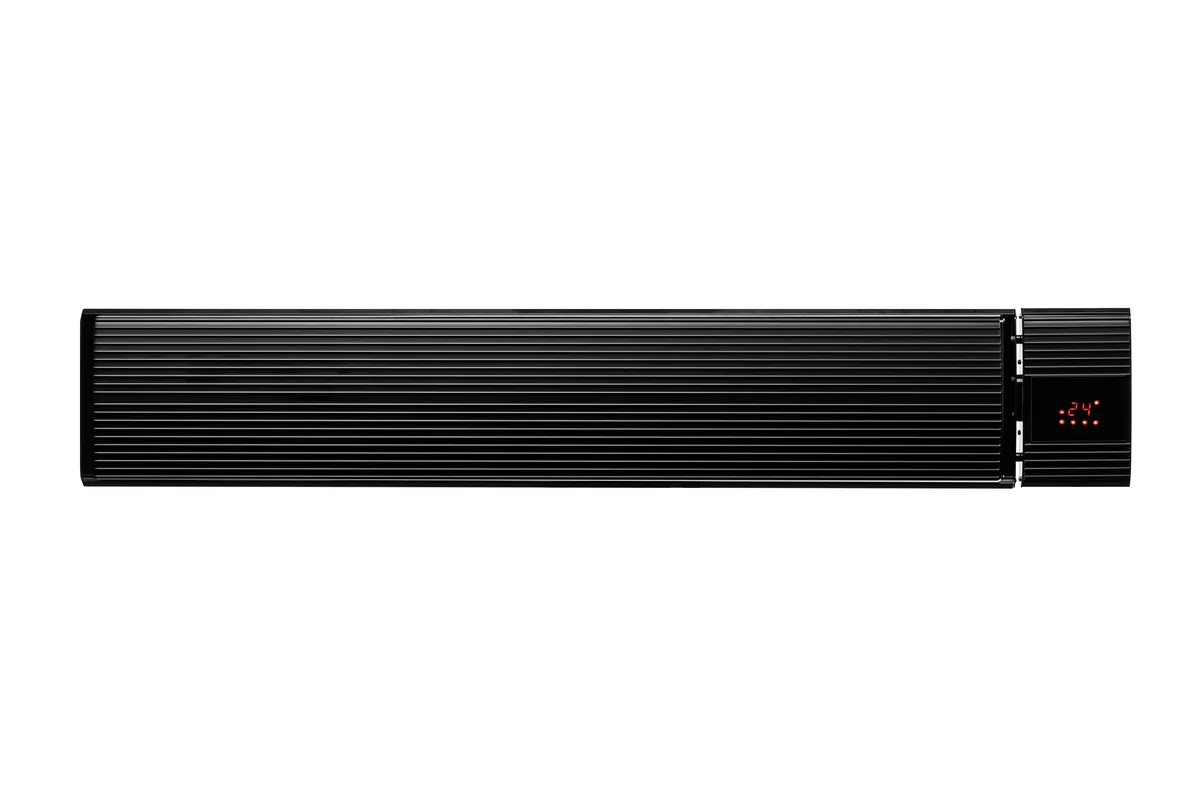
Radiant Heating Systems — what is it?
Radiant heating transfers energy toward target surfaces and occupants primarily by radiation. Electric, natural-gas ceramic and tube solutions are evaluated according to whether the space is open or enclosed, mounting height and available infrastructure.
Verify dimensions, ceiling height, wind or air movement and operating intensity together.
Clarify electrical or natural-gas infrastructure as a project input before the product model.
Plan mounting position, target heating zone and control scenario around the actual user flow.
What problems does this service address?
Rapid heat loss in open or high-volume spaces
Need to heat occupied or working zones instead of the entire volume
Need to compare technologies against different energy infrastructures
Where is it evaluated?
Suitability is verified from actual site conditions and manufacturer limits, not from the sector name alone.
- Terraces and outdoor spaces
- Cafe and restaurant seating zones
- Factory and warehouse work zones
- High-ceiling commercial spaces
- Local process and work areas
Compare technology against the operating scenario
Electric radiant
Evaluated for fast response, zoning and spaces with suitable electrical infrastructure.
Ceramic radiant
Evaluated where natural gas is available and directional radiant output is appropriate.
Tube radiant
Evaluated for long runs and zoned heating in high-volume industrial spaces.
Verify project inputs before choosing a model
- Geometry of the target comfort zone
- Mounting height and heater angle
- Electrical or natural-gas infrastructure
- Open, semi-open or enclosed operating condition
- Controls, zoning and operating hours
Category → real product → project relationship
The links below point to existing categories and real product records; unpublished technical values are not inferred.
ARH 40RW Electric Radiant Heater
Technical values and variant details are verified from the published product page.
View product detailsPietra S 10-Stone Ceramic Heater
Technical values and variant details are verified from the published product page.
View product detailsTubolare TT38 Tube Heating System
Technical values and variant details are verified from the published product page.
View product detailsMove from assessment to commissioning with controlled steps
Site assessment
Dimensions, operating layout and energy infrastructure are recorded.
System comparison
Relevant technology families are compared under the same project conditions.
Layout and capacity
Mounting position, target zone and capacity are verified with manufacturer data.
Implementation and support
Installation, commissioning, operation and maintenance access are planned.
Final capacity and mounting are verified from site data
This page explains the system approach. Final equipment model, capacity, gas/electrical connection, flue/ventilation requirements and safe mounting conditions are determined after verifying site data and manufacturer documentation.
Connected application areas within the same project
Read related guides before making a decision
Using technical guides alongside product and service pages gives capacity and installation decisions the right context.
Radiant Heating Systems frequently asked questions
What is radiant heating?
Radiant heating transfers energy primarily by radiation toward target surfaces and occupants.
How should electric and natural-gas radiant systems be compared?
Energy infrastructure, operating hours, mounting conditions, zoning needs and maintenance access should be compared under the same project scenario.
Can radiant system selection be based only on kW?
No. Power alone is insufficient; mounting height, radiant geometry, target distance and site conditions also matter.
Define the right system for your space
Start with dimensions, photographs, operating hours and available energy infrastructure.