
Ceramic Radiant Heating Systems
Evaluate ceramic radiant heating systems using natural gas infrastructure, mounting height, target heating zone, ventilation and project criteria.
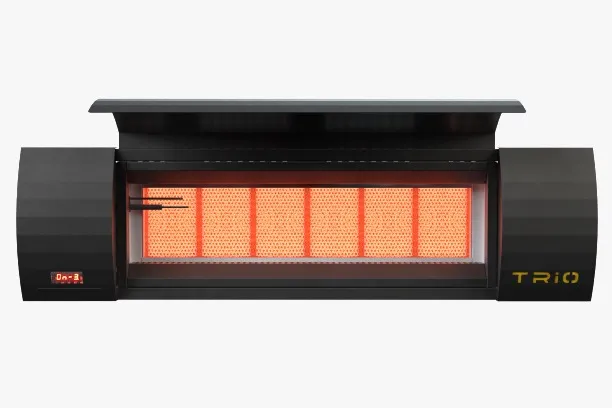
Ceramic Radiant Heating Systems — what is it?
Ceramic radiant heaters convert natural gas energy into directional radiant output. Suitability is determined by verifying gas infrastructure, mounting position, ventilation, safety clearances and the target comfort zone together.
Verify dimensions, ceiling height, wind or air movement and operating intensity together.
Clarify electrical or natural-gas infrastructure as a project input before the product model.
Plan mounting position, target heating zone and control scenario around the actual user flow.
What problems does this service address?
Directional comfort needs in open and semi-open commercial spaces
Delivering heat to target zones in high-ceiling spaces
Matching natural gas infrastructure to local-heating scenarios
Where is it evaluated?
Suitability is verified from actual site conditions and manufacturer limits, not from the sector name alone.
- Cafe and restaurant terraces
- Semi-open commercial spaces
- High-ceiling enclosed spaces
- Workshops and work zones
- Suitable industrial zones
Compare technology against the operating scenario
Pietra family
Published model records are available within the ceramic-stone natural gas heater family.
Vetro family
Published models are available within the glazed ceramic heater family.
Project layout
Mounting height, direction and safety clearances are as important as product-family choice.
Verify project inputs before choosing a model
- Gas-line and regulation requirements
- Combustion air and ventilation
- Mounting height, angle and target distance
- Open/enclosed space conditions
- Manufacturer safety requirements and service access
Category → real product → project relationship
The links below point to existing categories and real product records; unpublished technical values are not inferred.
Pietra S 10-Stone Natural Gas Ceramic Heater
Technical values and variant details are verified from the published product page.
View product detailsPietra P 6-Stone Natural Gas Ceramic Heater
Technical values and variant details are verified from the published product page.
View product detailsVetro S 6-Stone Glazed Ceramic Heater
Technical values and variant details are verified from the published product page.
View product detailsMove from assessment to commissioning with controlled steps
Site assessment
Dimensions, operating layout and energy infrastructure are recorded.
System comparison
Relevant technology families are compared under the same project conditions.
Layout and capacity
Mounting position, target zone and capacity are verified with manufacturer data.
Implementation and support
Installation, commissioning, operation and maintenance access are planned.
Final capacity and mounting are verified from site data
This page explains the system approach. Final equipment model, capacity, gas/electrical connection, flue/ventilation requirements and safe mounting conditions are determined after verifying site data and manufacturer documentation.
Connected application areas within the same project
Read related guides before making a decision
Using technical guides alongside product and service pages gives capacity and installation decisions the right context.
Ceramic Radiant Heating Systems frequently asked questions
Where can ceramic radiant systems be used?
They may be considered for commercial, semi-open or industrial projects where suitable natural gas infrastructure and safe installation conditions are available.
Is the number of ceramic stones enough to select a heater?
No. The exact model code, mounting height, target zone, gas infrastructure and manufacturer data must be considered together.
Why is ventilation important indoors?
For gas-fired equipment, combustion air and safe operating conditions must be verified against project requirements and manufacturer documentation.
Define the right system for your space
Start with dimensions, photographs, operating hours and available energy infrastructure.